How is Tomb Raider Multiplayer Possible?
The 2024 release of Tomb Raider I-III Remastered was a celebrated moment in gaming history, and it opened the door for a new era of tomb raider modding. This article explores how the seemingly impossible was achieved: adding multiplayer functionality to a game engine originally designed for a solitary experience.
A New Frontier for Modding
The 2024 release of Tomb Raider I-III Remastered marked a pivotal moment for digital preservation. While the collection was celebrated for its faithful recreation of the original Core Design source code, complete with the classic grid-based geometry and tank controls, it also opened up a new frontier for software modification. The PC release of the Remastered trilogy exposes its inner workings to a community of developers eager to dismantle and reassemble the game’s logic. This open approach has fostered a vibrant modding scene, allowing for an unprecedented level of community involvement in the game's evolution.
Within this resurgent community, a creator known as Burn Sours (or simply "Burn") has become a central figure in developing executable-level modifications. Unlike traditional modders who focus on cosmetic alterations like texture upscaling or outfit replacements, Burn Sours’ work is characterized by deep interventions into the game’s physics, state management, and networking. Through the development of tools like the "Multiplayer Mod" and the "Super Lara" suite, this creator has fundamentally altered what's possible in the franchise, transforming a solitary platformer into a chaotic, high-velocity, and social experience.
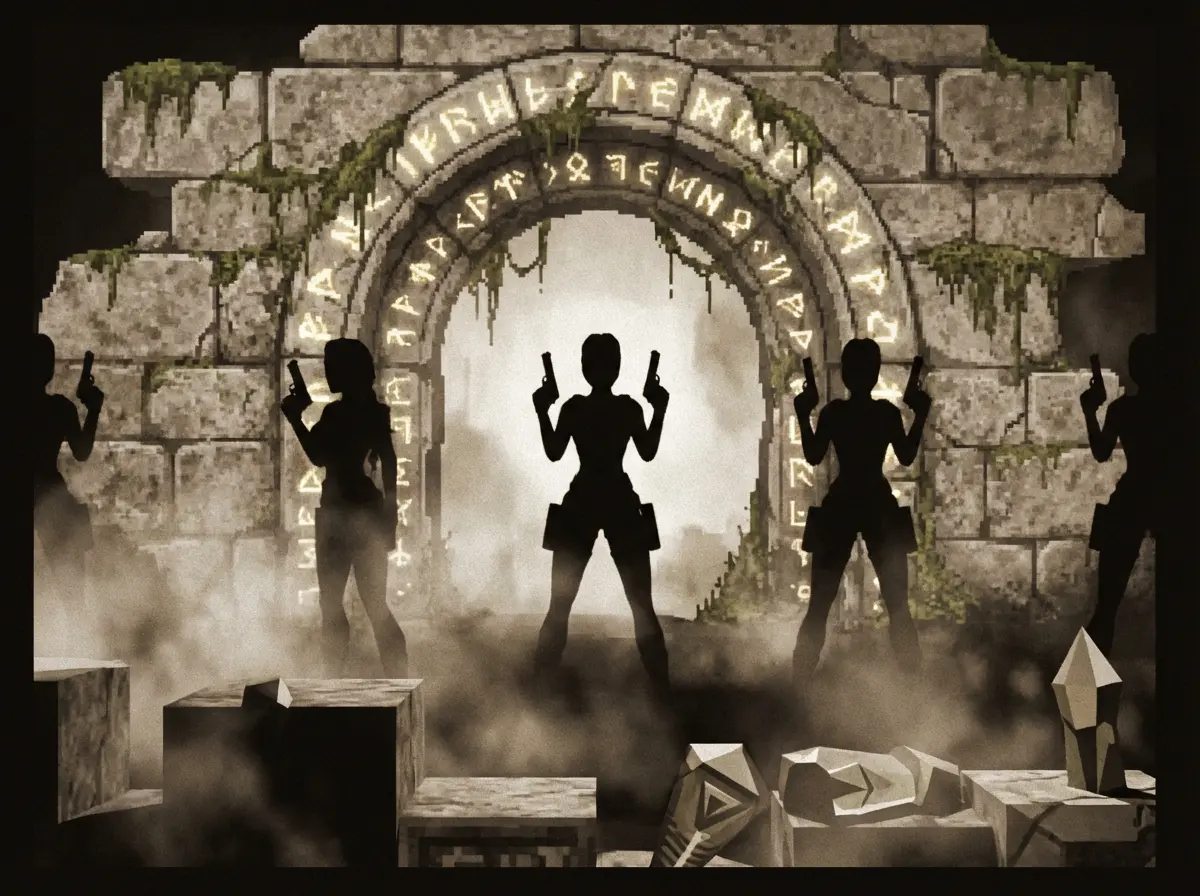
Technical Implementation and Injection
The most technically significant contribution from Burn Sours is enabling multiplayer in Tomb Raider I-V Remastered. Historically, the Core Design engine was built exclusively for a single-player experience. The level geometry, camera systems, and enemy AI all rely on a world where only one player exists. Introducing a second client requires intercepting the game loop to inject external coordinate data, a feat of reverse engineering that fundamentally changes the game's architecture.
Runtime mod
The Multiplayer Mod operates via an external launcher, a method that differs from the "drag-and-drop" file replacement used for texture mods. The launcher identifies the running game process (tomb123.exe), allocates memory, and injects code that intercepts input and rendering calls to display remote players.
Cross-Title Compatibility
The mod works across all five classic titles in the remastered collections (Tomb Raider I-III and Tomb Raider IV-V) and supports multiple patch versions of each. The mod functions on both Steam and GOG versions of the game.
Connectivity and Social Architecture
The mod introduces a lobby system that mimics modern matchmaking, despite the engine's archaic origins.
Players can join public lobbies to play with strangers or generate unique codes for private sessions. There's a relay server infrastructure where the mod client sends local coordinates (Lara’s X, Y, Z position and animation frame) to the central server, which then broadcasts that data to other connected clients.
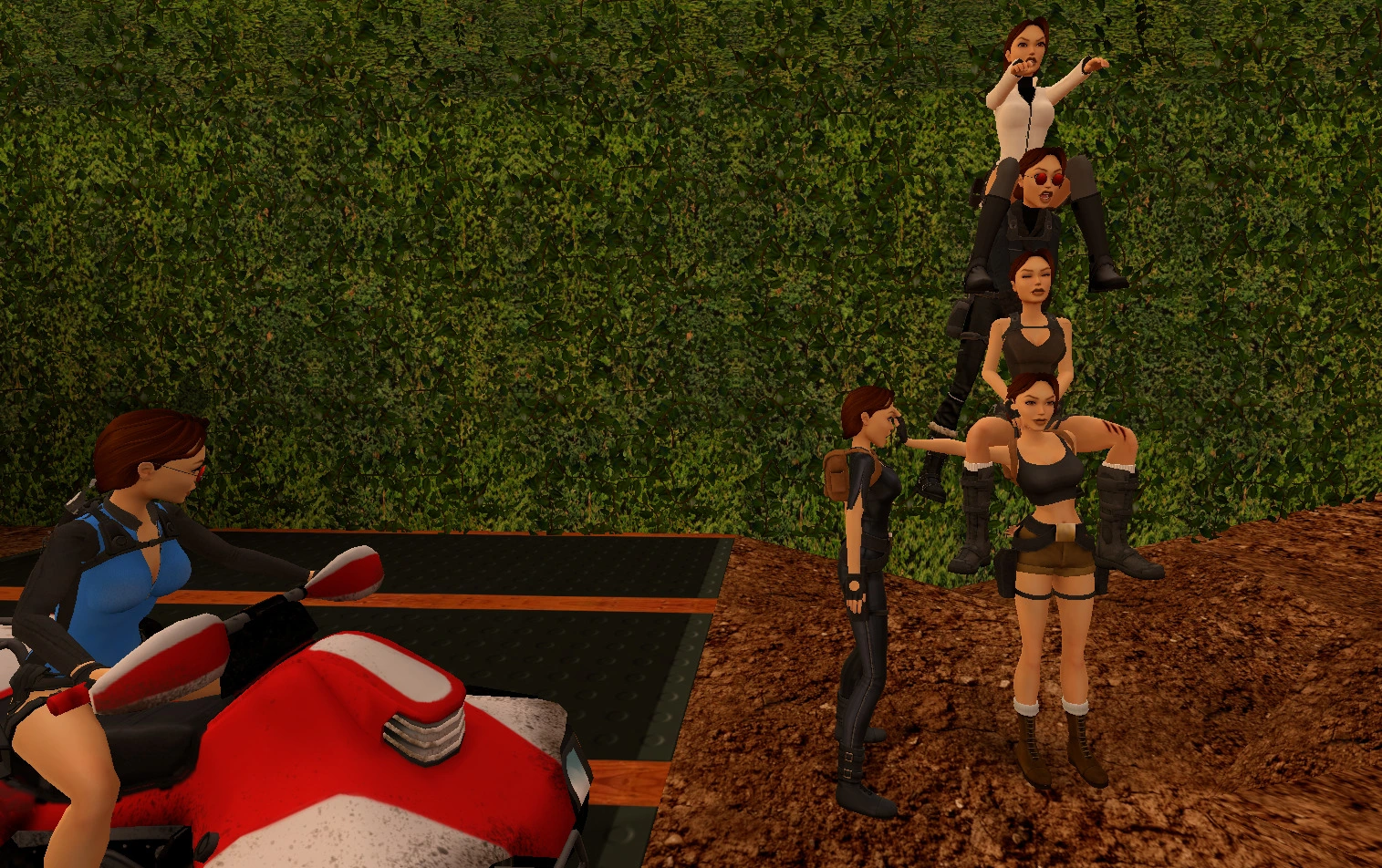
The impact of this addition is profound. User testimony describes the experience as "super fun" and notes the ability to "explain" mechanics to other players in real-time. This transforms the Tomb Raider experience from a silent, atmospheric puzzle-solver into a cooperative (or chaotic) social playground. The isolation that defined levels like the Cistern or Atlantis is replaced by the visual noise of multiple Laras jumping, glitching, and interacting simultaneously.
Interoperability with Other Mods
A key feature of the Multiplayer Mod is its compatibility with other modifications. Users report they can "use their modded version without a problem" while in multiplayer. The multiplayer code operates on a layer independent of the asset files. For example, if Player A has a custom outfit installed, they can still connect to Player B. Player B would likely see Player A wearing the default outfit, or whatever texture Player B has installed locally. This "client-side" asset independence is typical of injection-based mods.
The "Super Lara" Suite (Boing%)
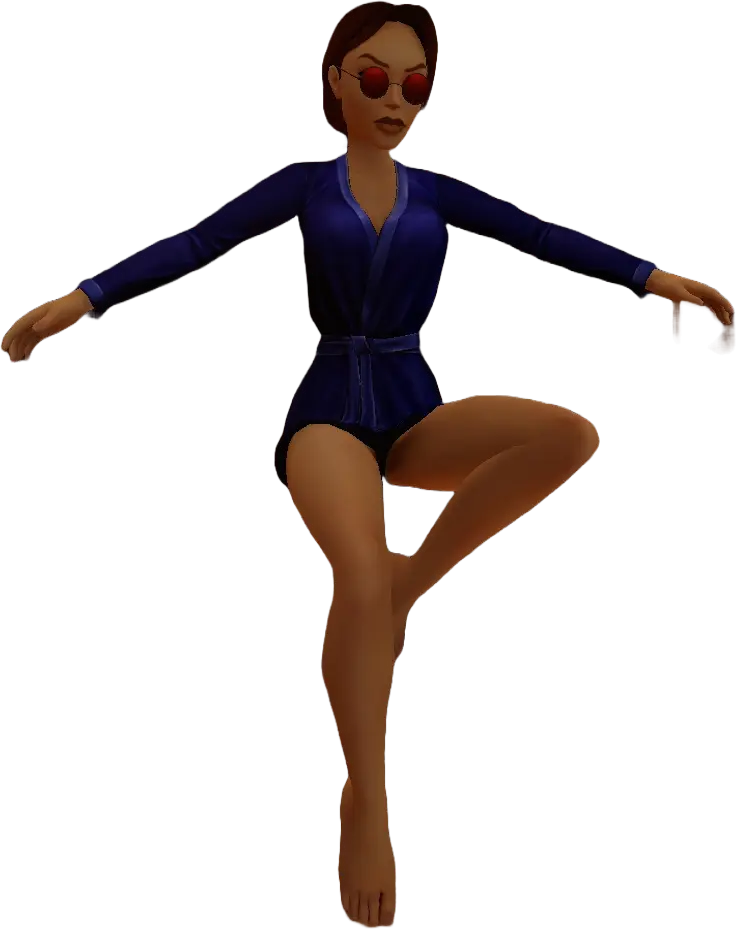
While the Multiplayer Mod addresses connectivity, the "Super Lara" mods (colloquially known as the "Boing%" mod) represents a radical deconstruction of the game’s physics engine.
The mod gives the player "super speed" and the ability to "jump really high." In the vanilla game, jump height is a fixed value derived from the animation file; changing it requires altering the engine's gravity or vertical velocity constants. Burn Sours’ mod achieves this dynamically, allowing for jumps that can clear entire rooms or bypass vertical puzzles intended to take minutes to climb.
Hardcore: Permadamage speedruns
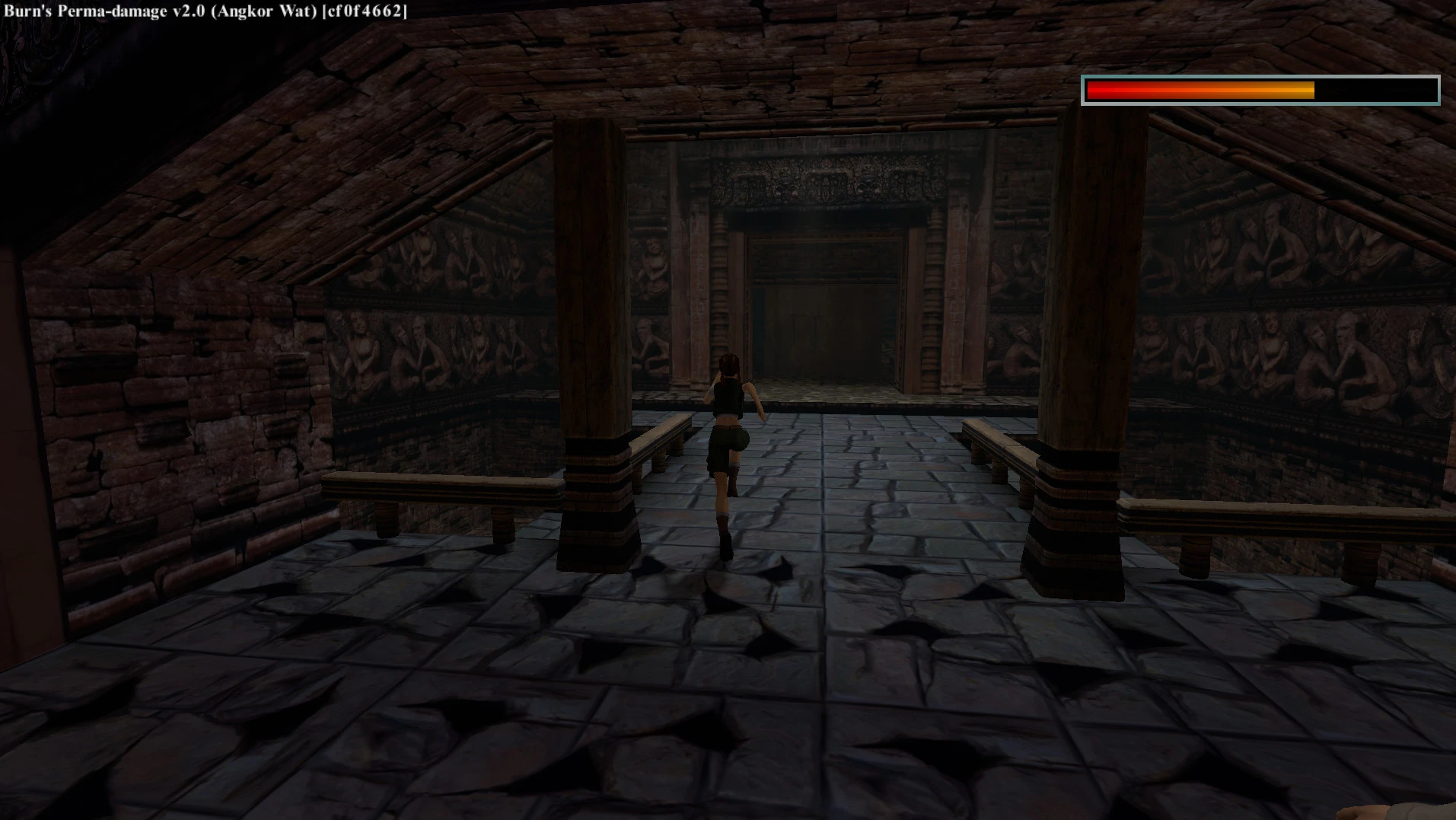
Burn Sours’ portfolio extends beyond making the game easier or more chaotic; it also includes modifications designed to punish the player. The Permadamage mod represents the antithesis of Super Lara.
The Permadamage mod fundamentally alters the survival mechanics. It modifies the game state to provide a single, non-regenerating health bar for the entire run. This permanence means damage accumulation is irreversible, forcing speedrunners and challengers to complete the full game with near-perfect precision. Players can no longer rely on healing to recover from mistakes or "tank" damage; every encounter becomes a high-stakes endurance test.
Distribution and Community
burn_sours uses the dedicated domain, laracrofts.com, as the central hub for these tools, serving as the official source for documentation and community updates. The downloads themselves are hosted directly on the project's open-source GitHub repository, ensuring transparency and version control. The mods are also distributed via Nexus Mods, allowing them to reach the broader modding community. By maintaining an open-source "source of truth" while leveraging popular platforms, the project maximizes accessibility while keeping the development process transparent.
The Evolution of Tomb Raider Modding
The Primitive Era
1996-1999
Modding began with crude binary edits. The infamous "Nude Raider" patch was a texture and mesh override. Tools were non-existent, and changes were made by hex editing the data files.
The Tooling Era
2000-2023
The official Level Editor (TRLE) and unofficial tools were released, allowing for custom levels. Console modding on Xbox 360 using tools like Horizon allowed for save editing.
The Remastered Era
2024-Present
With the Remastered trilogy, modders like Burn Sours have moved beyond fixing the engine to extending it, using code injection to add entirely new features like multiplayer.
Open Source and Contribution
The development of these groundbreaking mods for Tomb Raider Remastered is a testament to the power of the open-source community. This project is open source, allowing enthusiasts and developers alike to explore the codebase, understand its inner workings, and even contribute to its evolution.
View Project on GitHubConclusion
The modifications developed by Burn Sours for Tomb Raider I-V Remastered represent a distinct and sophisticated branch of the game's modding community. By moving beyond aesthetic restoration, the developer has introduced subversive elements—multiplayer connectivity and broken physics—that fundamentally reimagine the player's relationship with the game world.
The "Multiplayer Mod" challenges the atmospheric isolation of the franchise, turning tombs into shared social spaces. The "Super Lara" mod challenges the rigid grid-based movement, turning the careful platformer into a high-speed sandbox. Through independent distribution channels and invasive code injection, Burn Sours has carved out a niche that prioritizes mechanical freedom over developer intent, keeping the 25-year-old engine vibrant and chaotic.