How is Tomb Raider Multiplayer Possible?
Tomb Raider I-III Remastered turned up in 2024 and kicked off a new era of Tomb Raider modding. So here's how multiplayer ended up in a game that was only ever built for one player.
What the Remastered Release Opened Up
The 2024 collection is a remaster built on the original Core Design code, so the grid-based geometry and tank controls carry straight over, and the PC version leaves all of that exposed. That's the part that matters here, because it means you can pull the game's logic apart and put it back together. The modding scene had never gone anywhere, and this just gave it a new target.
Burn Sours (or just Burn) works at the executable level rather than on textures and outfits, digging into the game's physics, state management and networking. That's where the Multiplayer Mod and the Super Lara mods come from, and between them they've turned a solitary platformer into something a lot more chaotic.
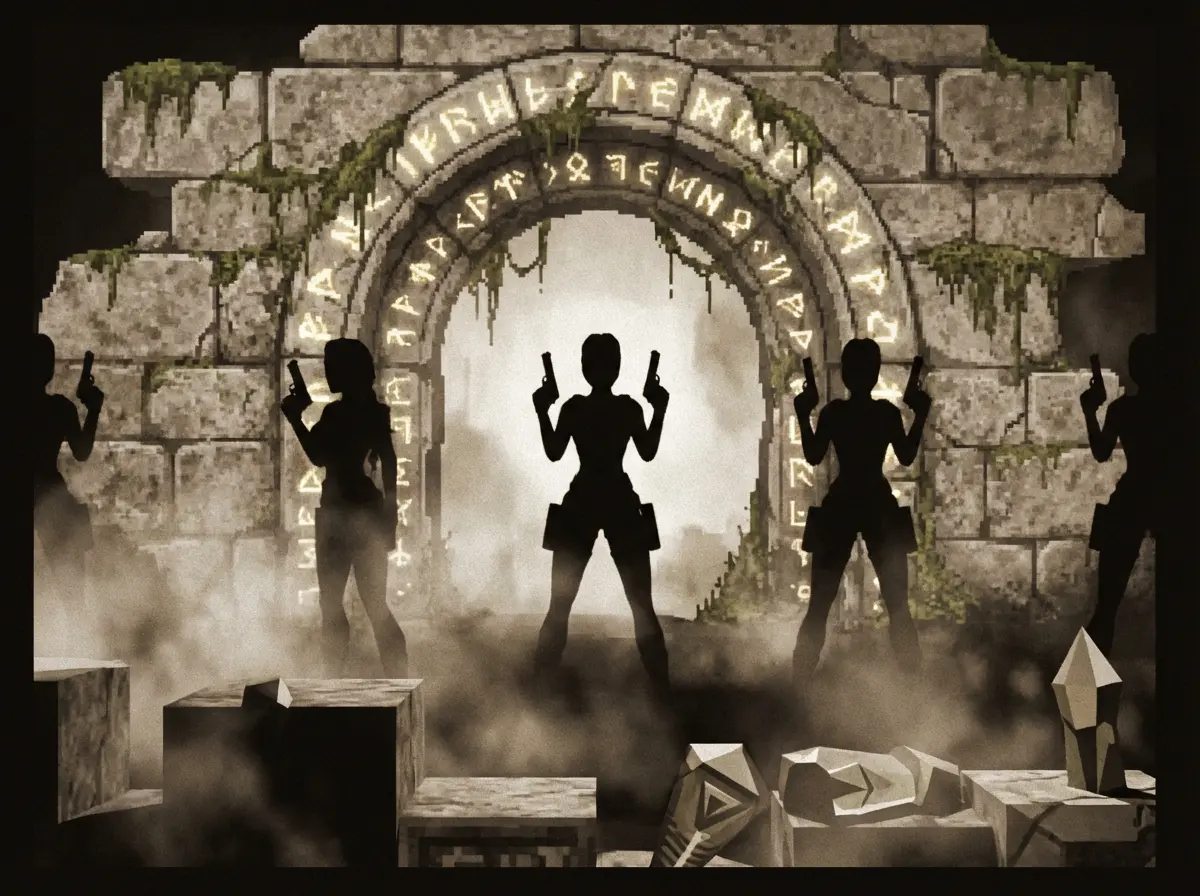
Getting Another Player In There
The Core Design engine was built for one player, so the level geometry, camera systems and enemy AI all assume nobody else is in the room. Getting a second client in means sitting in the game loop and feeding it coordinates from outside.
Runtime mod
The Multiplayer Mod isn't a drag-and-drop file swap like texture mods. It runs off an external launcher that finds the running game process (tomb123.exe), allocates memory and injects code to intercept the input and rendering calls, which is what draws the other players.
All six games
It runs on all six classic titles across both remastered collections (Tomb Raider I-III and Tomb Raider IV-VI), on multiple patch versions of each, and on the Steam, Epic Games and GOG copies.
Lobbies and the Relay Server
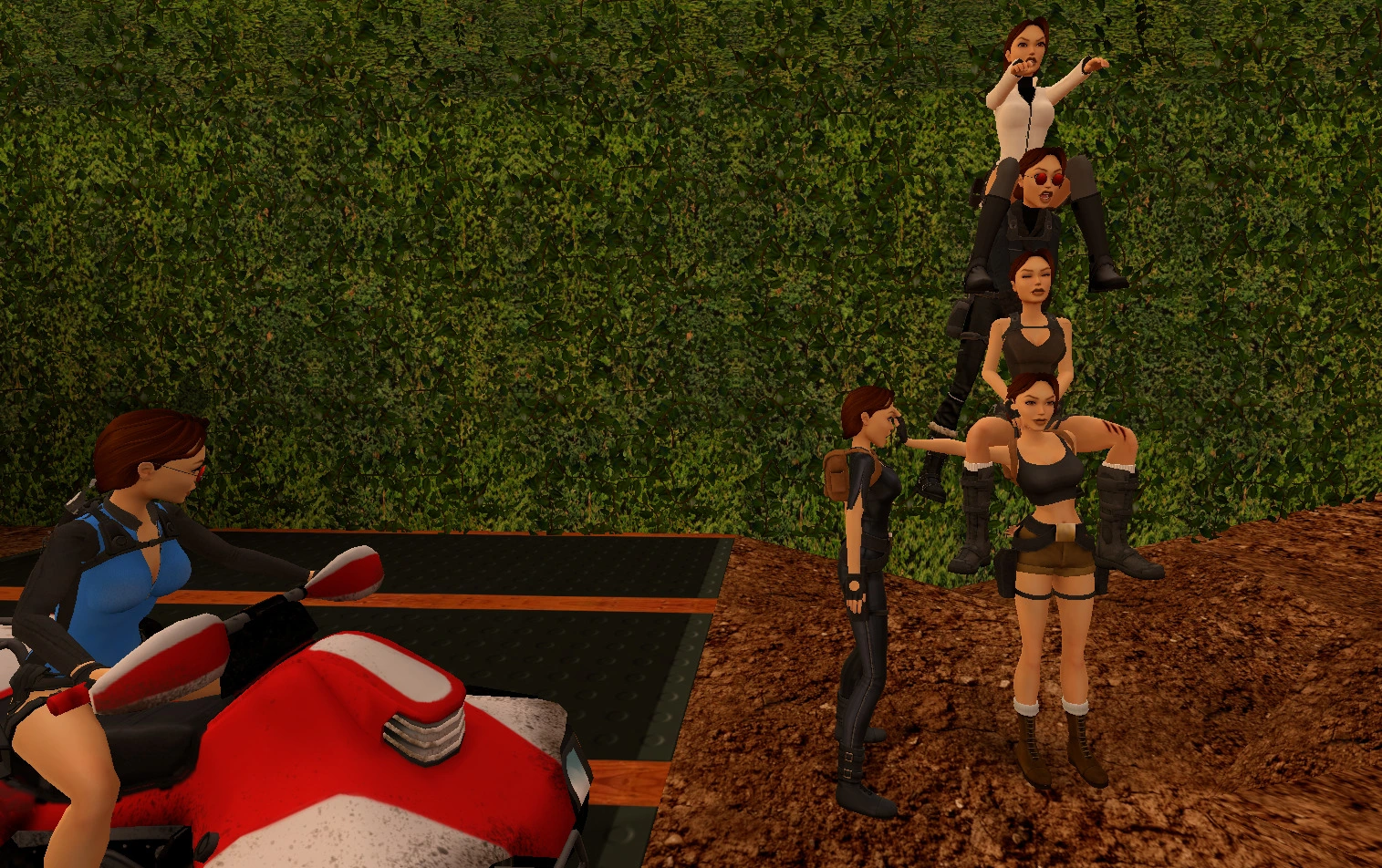
There's a lobby system sat on top of it, so you either join a public lobby and play with strangers or generate a code for a private session. Your client sends Lara's X, Y and Z position and her animation frame up to a central relay server, and that server broadcasts it out to everyone else connected.
People who've played it call it "super fun", and it's handy being able to explain a mechanic to someone while you're both stood in the room. Levels like the Cistern or Atlantis were built to feel lonely, and now they're full of Laras jumping, glitching and getting in each other's way.
Playing With Other Mods Installed
The multiplayer code sits on its own layer, separate from the asset files, so people run their modded version without a problem. It's all client-side though, so if you've got a custom outfit on, the other player sees you in the default one or in whatever texture they've got installed locally. That's normal for injection-based mods.
The "Super Lara" Mods (Boing%)
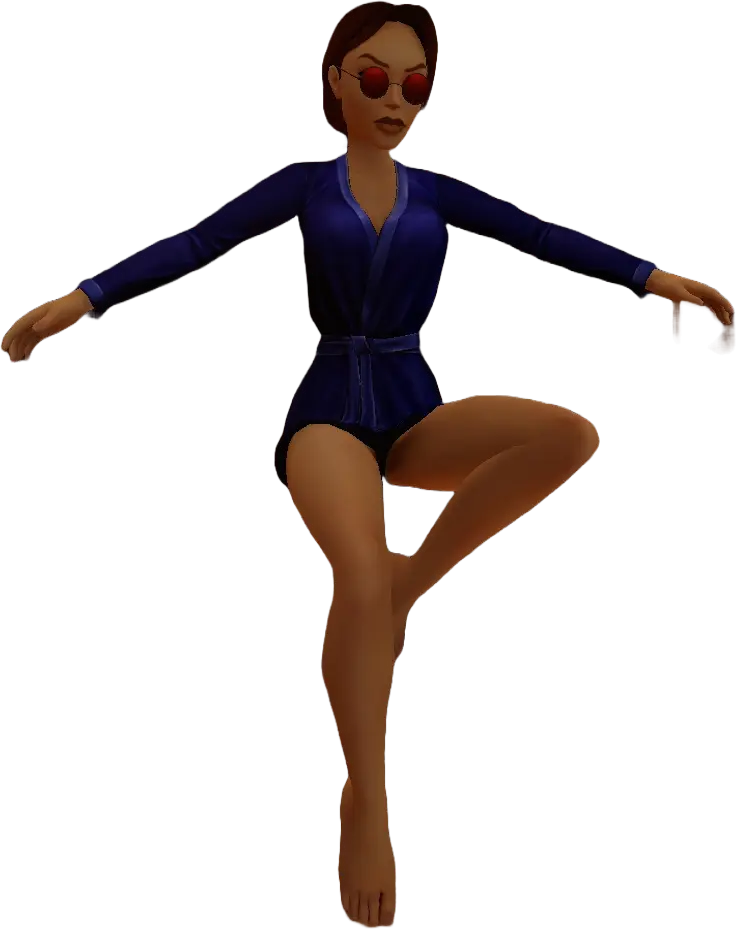
The Multiplayer Mod deals with connectivity, while the Super Lara mods (colloquially the "Boing%" mod) take the physics engine apart instead. You get super speed and the ability to jump really high.
In the vanilla game the jump height is a fixed value out of the animation file, so shifting it means going after the engine's gravity or vertical velocity constants. Super Lara does that on the fly, which gets you jumps that clear entire rooms or skip a vertical puzzle that was meant to take a few minutes of climbing.
Perma-damage: The Opposite of That
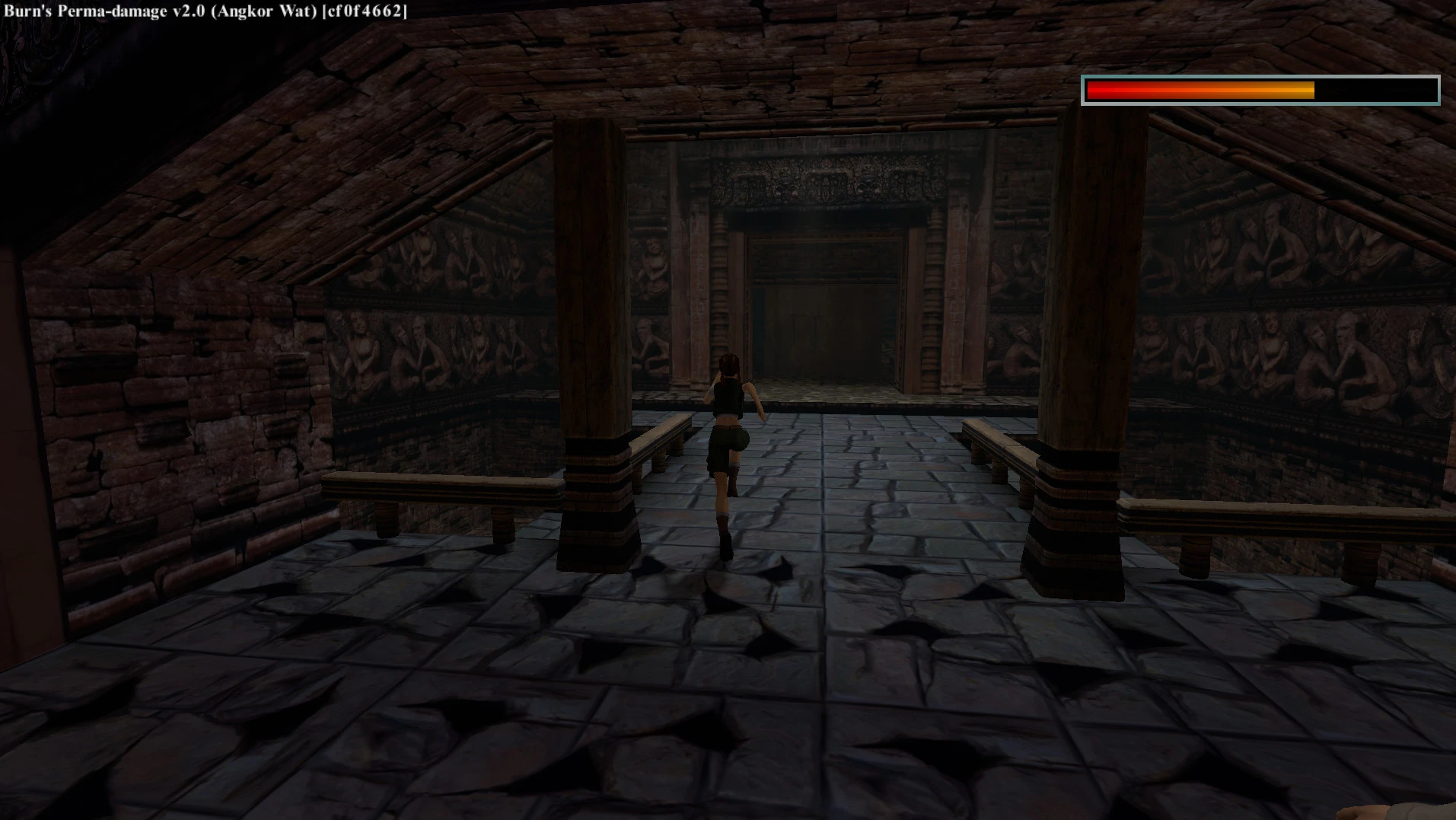
Not all of it is about making the game easier or more chaotic. The Perma-damage mod goes the other way and changes the game state so you get one health bar for the whole run, with no regeneration.
Damage stacks up and it doesn't come back off, so you can't heal your way out of a bad room or tank a hit and shrug it off later. It's aimed at speedrunners and anyone after a challenge run, where every encounter you scrape through costs you for the rest of the game.
Where It All Lives
laracrofts.com is the hub for the docs, the updates and the downloads, and the mods are on Nexus Mods as well for anyone who lives over there.
Help out
A fair bit of what keeps this working isn't code at all, so you don't need to be into reverse engineering to be useful.
Break it and say so
Angel of Darkness multiplayer is the newest part and the roughest, so anything you can crash is worth hearing about. Discord is the quickest way to get it to me.
Patch support
The games get patched and things move, so the mod needs pointing at the new spots. Telling me the moment a patch breaks something, and on which game, gets it sorted quicker.
Test the awkward combinations
Steam, Epic and GOG each needed their own work, so they don't all behave the same. Telling me which storefront and patch you were on saves a lot of guessing.
Custom maps
Angel of Darkness multiplayer loads its own maps rather than touching your game files, and those got put together with help from DarkLegendAOD. If you build levels, that's the sort of thing worth a chat.
The v2 code is on GitHub.