Richard Morton was lead game designer on Tomb Raider: The Angel of Darkness, perhaps Lara Croft's most polarizing adventure, and in an interview he's gone back over how the game came together. He's got over 37 years in the industry and 29 titles behind him.
Morton's Tomb Raider Run
He started on the original 1996 game, feeding into level design and story discussions, then came back for Tomb Raider II as an artist and level designer, building the Temple of Xian with Heather Stevens (née Gibson). He carried on through the classic era before taking the lead game designer job on The Angel of Darkness.
On the darker tone, Morton said the change was always coming: "We always knew Angel of Darkness had to be different, from the even more involved story to the unknown power of the PlayStation 2, to how Lara had to be reborn... things had to change, the industry had changed." The team looked at other mature-themed games of the time and reckoned the series needed pushing in a more sophisticated direction.
The PlayStation 2 Problem
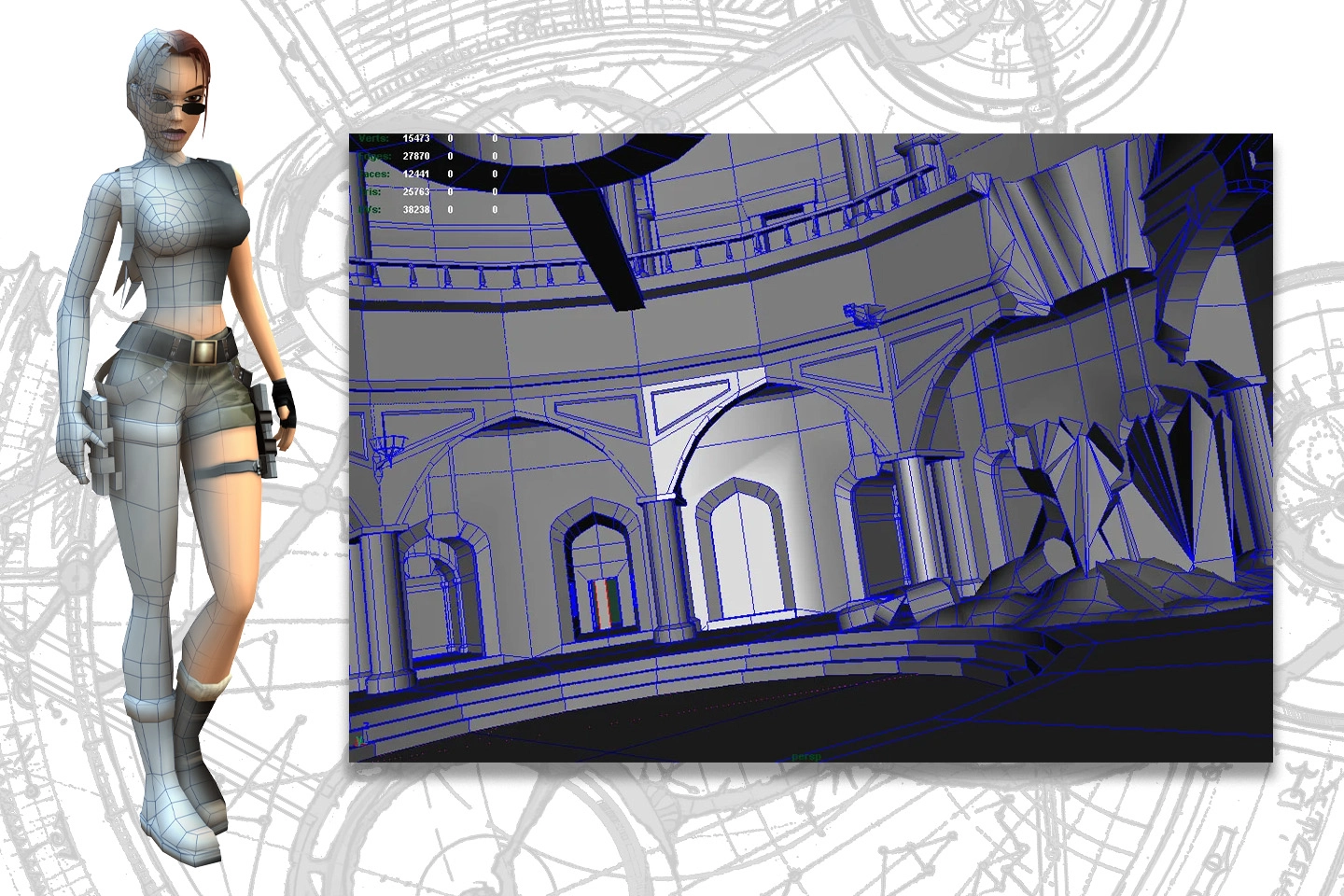
"We started developing the game before we had final development hardware," Morton said. "We were building very large and complex environments in Maya which the final hardware just couldn't handle both in terms of memory size and on the processor."
So environments got simplified and levels got chopped into smaller sections with loading screens in between, which Morton "didn't like at all." They'd also lost the PS1 level editor they were used to, which narrowed down what the designers could do.
Working with Murti Schofield
Morton worked closely with lead narrative designer Murti Schofield on tying the story to the gameplay. "Murti and I got on very well and hit it off right away," he said. "His work on the story and narrative structure was excellent, allowing us to really focus on how the story would work within the game."
They reworked the storyline to fit in more tomb environments after fan feedback that the previous games had drifted too far from archaeological exploration. The bigger problem was development pressure forcing them to cut the game in half, dropping planned locations in Germany and Cappadocia for a sequel that never happened.
What Got Cut
The big one is the full implementation of Kurtis Trent's psychic abilities. "We simply didn't have time to add his true abilities," Morton said. "They were designed and animated, but we didn't have time to code them."
The original training level went too, a large cavern system that would have introduced Putai, Lara's mentor and healer, who'd have turned up both in person and as a spectral hawk through the game. It would have explained the upgrade mechanics properly and given players more narrative guidance.
Morton's Own Favorites
Temple of Xian from Tomb Raider II means a lot to him, since it was his first fully built Tomb Raider level. From Tomb Raider III he picks the Area 51 UFO hangar and Madubu Gorge, the latter having inspired one fan to become a professional kayaker.
For The Last Revelation he made the Tomb of Seth with its guide-assisted trap navigation, though he got more out of designing the Desert Railroad and the gameplay situations it opened up. In Chronicles he went back to Von Croy with Lara infiltrating VCI Tower, and there's the Red Alert level, where Lara gets chased by a helicopter gunship.
From Angel of Darkness, with the Putai training level gone, he goes with the Hall of Seasons for its classic Tomb Raider traps and puzzles.
What Stuck
The Angel of Darkness introduced things like upgrade systems that became industry standards, and its mature narrative and atmospheric approach fed into the 2013 reboot.
There's more of Morton's work on his website, and there are also the behind-the-scenes features and Raidercast's in-depth look at the creation of The Angel of Darkness, where he's joined by other key team members.
TLDR;
Richard Morton, lead designer on Tomb Raider: Angel of Darkness, says PlayStation 2 hardware couldn't handle what the team had built, so environments were simplified and levels split up. The game got cut in half, planned locations in Germany and Cappadocia were dropped, and Kurtis Trent's psychic abilities were designed and animated but never coded. The upgrade systems and the darker tone stuck around.